
Choosing Sustainable Materials for Your Space
Understand bamboo, reclaimed wood, cork, and recycled fabrics. We’ll break down where each material comes from and why it matters.
Read ArticleYou don’t need to spend thousands. Learn how to source affordable sustainable pieces, upcycle furniture, and refresh your space responsibly.
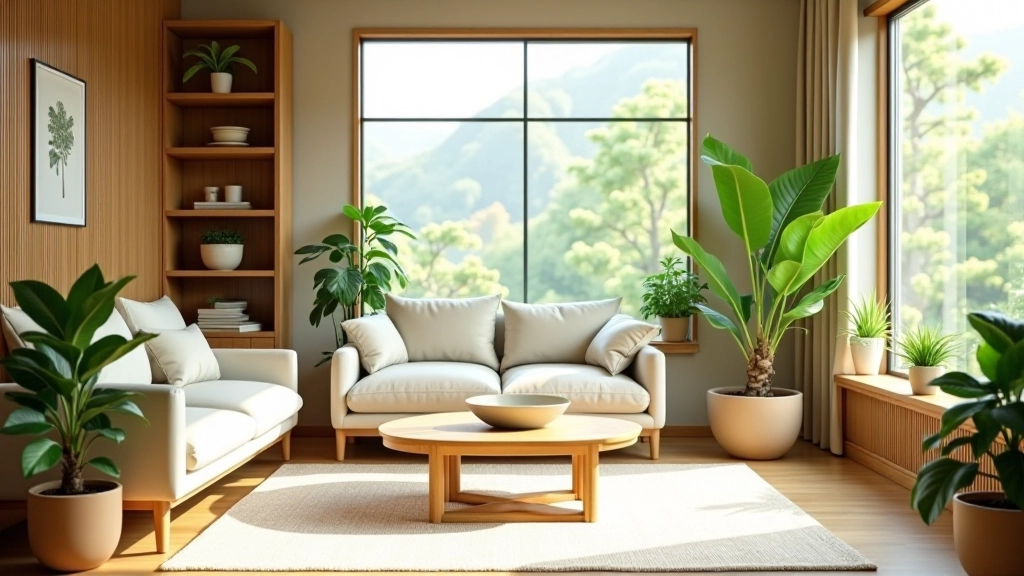

Going green doesn’t mean going broke. That’s the whole point. You’ve probably heard that sustainable design costs a fortune, but we’re here to tell you it’s not true. Real eco-friendly homes come from smart choices, not big budgets.
The secret? Focus on what matters. You’ll replace items gradually. You won’t buy everything at once. Start with the pieces you use every day — your bed, your couch, your dining chairs. Make those sustainable, and you’ve already done something meaningful.
Sustainable doesn’t equal expensive. In fact, some eco-friendly choices save you money immediately — less water use, lower energy bills, longer-lasting furniture. You’re investing in a home that’ll pay you back.
Finding affordable sustainable furniture isn’t about luck — it’s about knowing where to look. Second-hand markets are your best friend. Online platforms, local markets, and estate sales have pieces that’ll outlast anything new you could buy.
Vintage isn’t just trendy. It’s practical. That solid wood table from 1985? Built better than most modern furniture. You’re buying quality at a fraction of the original price, and nothing’s wasted because it’s already been produced.
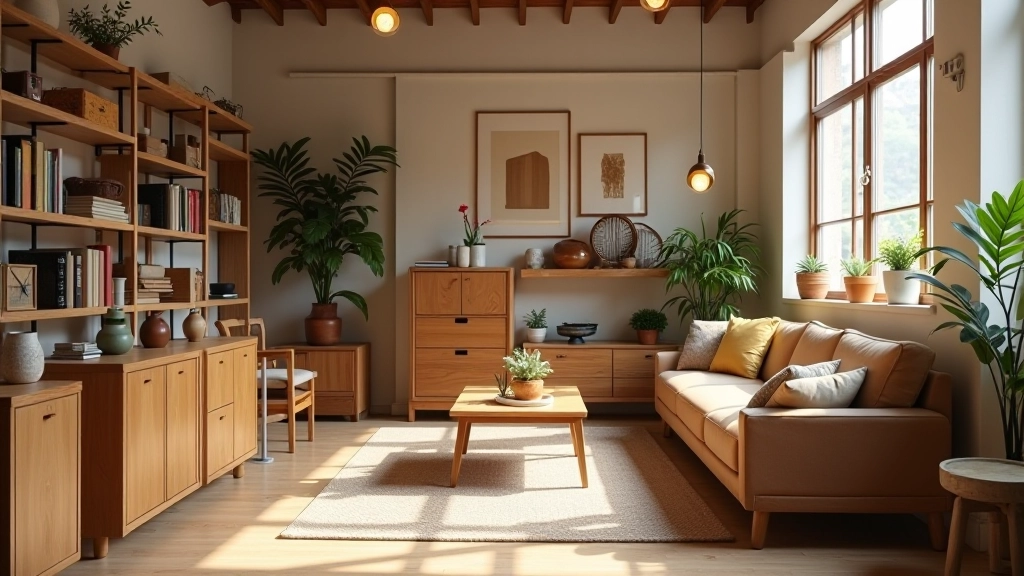
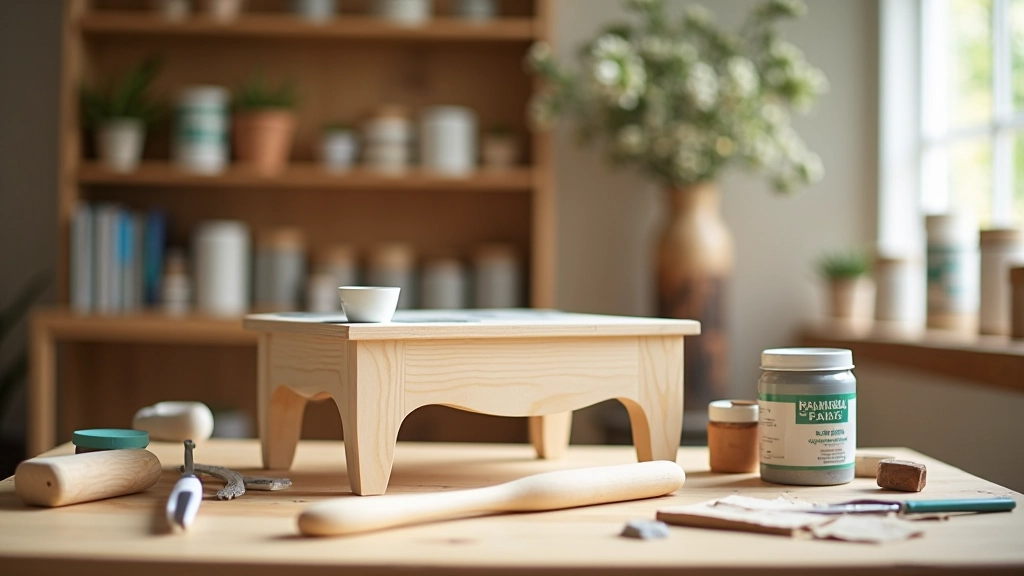
Don’t underestimate what you can do with paint and intention. An old dresser becomes a bathroom vanity. Kitchen cabinets get refinished and look completely new. You’re not replacing — you’re reimagining.
The best part? It’s cheaper than buying new. A tin of low-VOC paint, some sandpaper, and a weekend of work. That’s genuinely all you need. Plus, when you upcycle, you’re keeping things out of landfills while building something that’s uniquely yours.
Paint old furniture with eco-friendly paints to match your space
Reupholster chairs with organic fabrics or natural textiles
Add hardware like new knobs or handles for a fresh look
You don’t need to replace everything at once. Start small. Swap out one thing, see how it works, then move on. That’s realistic budgeting that actually sticks.
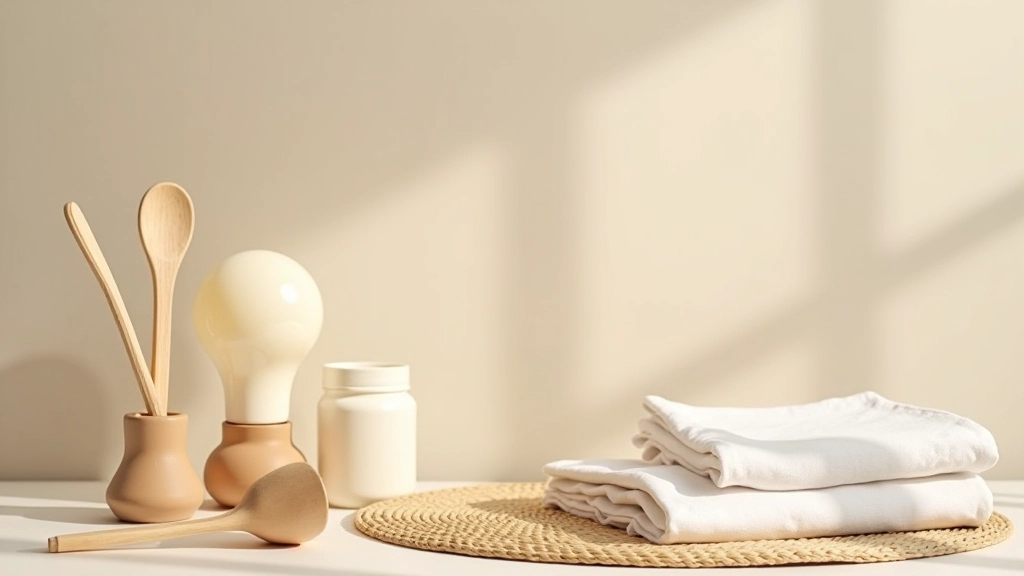
Natural fiber rugs cost less than you’d think if you shop right. Organic cotton sheets aren’t luxury items anymore — they’re practical bedding that lasts longer and feels better. Bamboo kitchen utensils replace plastic at nearly the same price. When you look properly, the sustainable option isn’t always more expensive.
LED lighting: Higher upfront cost, but you’ll recover that in 6-8 months through lower electricity bills. After that? Pure savings.
Natural fiber rugs: Similar price to synthetic options but last 2-3 times longer. Better value overall.
Organic cotton linens: Maybe 20% more than conventional, but don’t need replacing for 5+ years instead of 2-3 years.
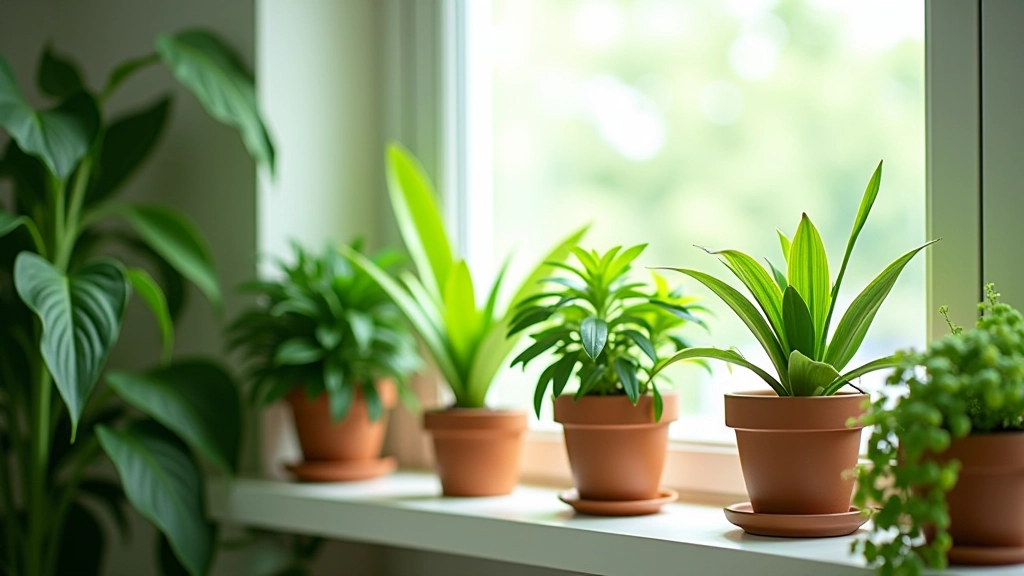
Plants are the most affordable way to improve your space. Propagate from friends’ plants, pick up small seedlings from local nurseries, or start from seeds. You’ll spend $2-5 per plant and end up with dozens over time.
They’re not just decorative either. Plants clean your air, improve your mood, and grow alongside your home. Every plant you keep alive is a win. Don’t worry about perfection — some will thrive, some won’t. That’s part of the journey.
Natural light is free. Use it. Rearrange your space to let more daylight in. You’ll reduce your lighting needs immediately, save energy, and make your rooms feel bigger. Windows are your best design tool and they cost nothing extra.
This article provides educational information about sustainable interior design practices and budget-friendly approaches. Every home’s circumstances differ based on location, climate, existing materials, and personal needs. We recommend consulting with a certified interior designer or sustainability consultant for guidance tailored to your specific situation. Costs, availability, and suitability of materials vary by region and time.
Building an eco-friendly home on a budget is absolutely possible. It doesn’t require a complete overhaul or winning the lottery. You start where you are, use what you have, and make intentional choices moving forward.
Buy second-hand when you can. Upcycle what you have. Make smart swaps one piece at a time. Fill your space with plants. Use natural light. Every small decision adds up to a home that’s better for you and the planet. That’s what sustainable living actually looks like — thoughtful, gradual, and absolutely achievable.