Creating an Eco-Friendly Home on a Budget
You don’t need to spend thousands. Learn how to source affordable sustainable pieces and make smart choices that won’t drain your wallet.
Read ArticleUnderstand bamboo, reclaimed wood, cork, and recycled fabrics. We’ll break down which materials work best for different rooms.


When you’re redesigning a room, picking materials is one of those decisions that affects everything—how your space feels, lasts, and impacts the environment. Most people don’t realize that what goes on your walls, floors, and furniture can release harmful chemicals, contribute to deforestation, or sit in landfills for decades.
The good news? There’s a growing selection of materials that look beautiful, perform well, and don’t wreck the planet. They’re not always cheaper than conventional options, but they’re more affordable than people think. And they last longer, which means fewer replacements over time.
Bamboo’s become popular for good reason. It grows incredibly fast—some species reach maturity in 3-5 years compared to 20-30 years for traditional timber. That means it’s genuinely renewable without waiting generations for forests to regrow.
You’ll find it as flooring, furniture, wall panels, and even textiles. Bamboo flooring feels warm underfoot and handles humidity better than many hardwoods, making it perfect for kitchens and bathrooms. The visual appeal varies too—you can get light natural tones or deeper caramelized finishes depending on how it’s processed.
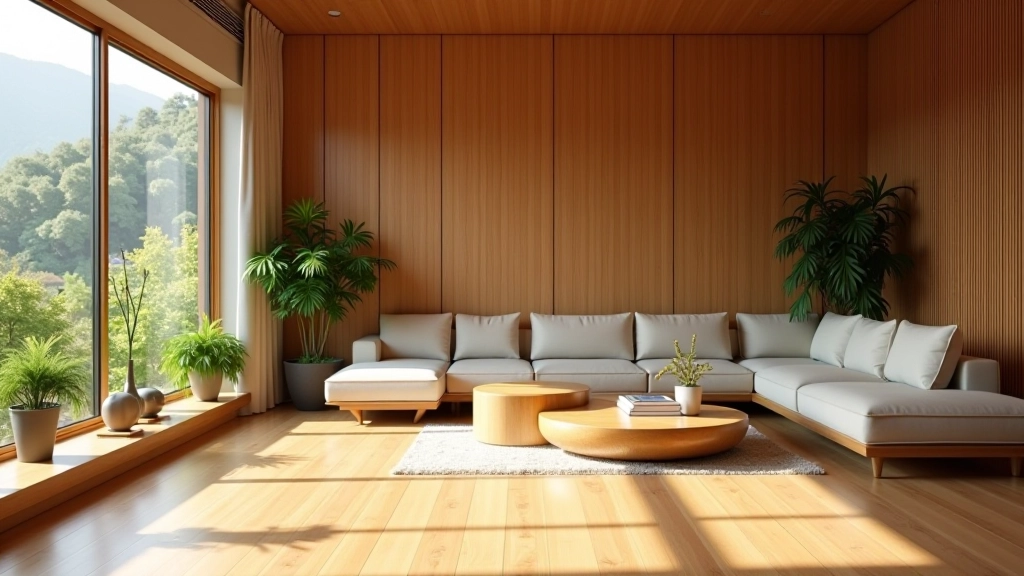
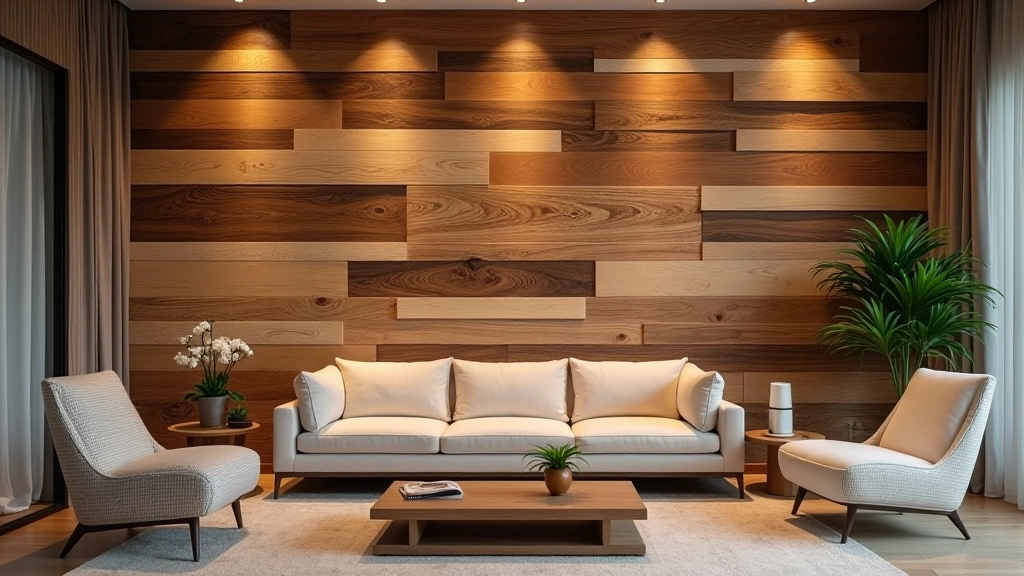
Reclaimed wood is literally second-hand—salvaged from old buildings, barns, and industrial structures. It’s already proven it can last decades, sometimes over a century. That track record means you’re getting material that won’t warp or deteriorate anytime soon.
Beyond performance, reclaimed wood has character. The grain patterns, nail holes, and weathering tell a story. No two pieces are identical, which creates genuinely unique spaces instead of that mass-produced feeling. It works beautifully as flooring, wall cladding, shelving, or accent features.
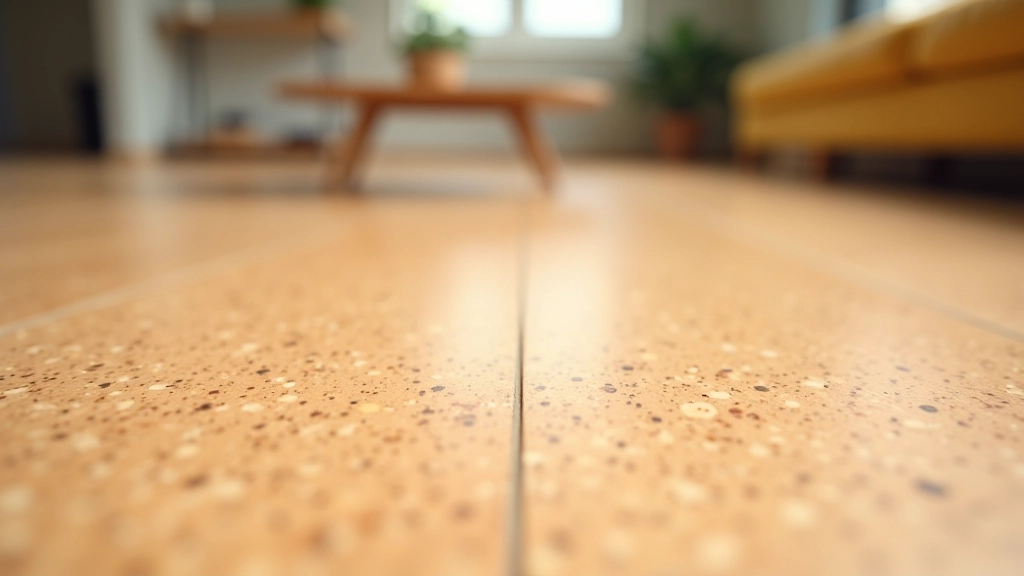
Cork comes from tree bark that regenerates after harvesting—the trees stay alive and keep growing. It’s naturally antimicrobial, which makes it hygienic for kitchens and bathrooms. And it’s surprisingly soft underfoot while still being durable enough for heavy use.
Most people think cork only works as flooring, but it’s actually versatile. Cork wall panels provide excellent sound dampening (great for apartments or home offices). Cork furniture accessories, drawer liners, and even cork-leather textiles are becoming easier to find. The warm, natural appearance fits both modern and rustic aesthetics.
Cork flooring handles kitchens and bathrooms well thanks to its water resistance, though you’ll want a proper sealer. Bedrooms and living areas are ideal since cork feels warm and cushions footfalls. High-traffic commercial spaces? Cork can work, but it’ll show wear faster than harder woods.
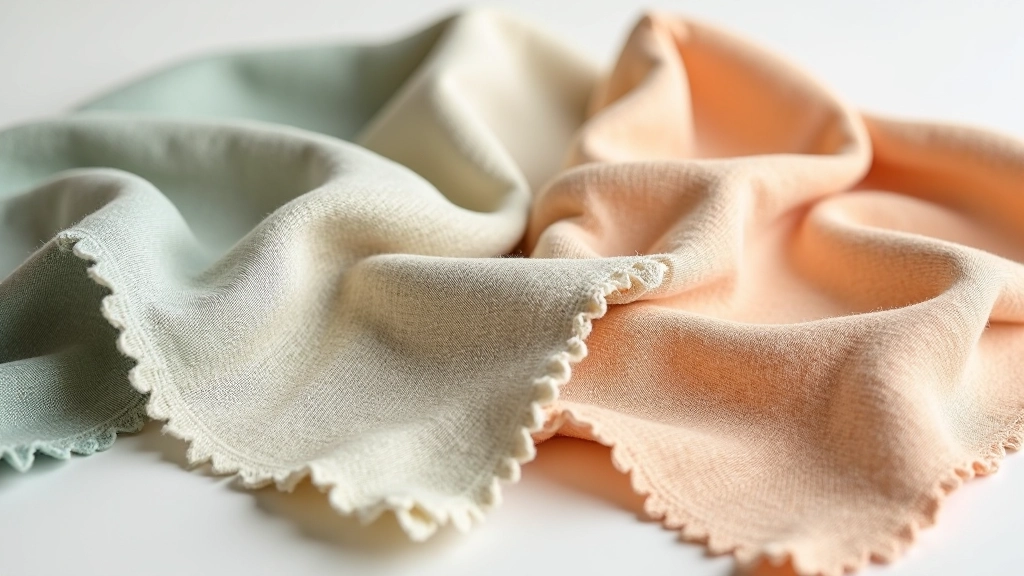
Recycled fabrics are made from post-consumer waste—old clothing, plastic bottles, fishing nets. They perform just as well as virgin materials but with a fraction of the environmental cost. You’re diverting waste from landfills while getting durable upholstery, curtains, rugs, and cushions.
The quality’s genuinely good now. Major furniture brands offer recycled polyester and nylon options that hold up to daily use. Recycled wool is softer and more lustrous than ever. You won’t sacrifice style or durability—you’re just making a smarter choice about where materials come from.
Different rooms have different demands. A bedroom’s soft underfoot matters more than a kitchen’s water resistance. An entryway needs durability; a meditation space needs sound control.
Cork or bamboo flooring with proper sealing works well. Reclaimed wood accents (open shelving, island face) add warmth. Recycled fabric for bar stools and upholstered seating keeps the sustainable theme going.
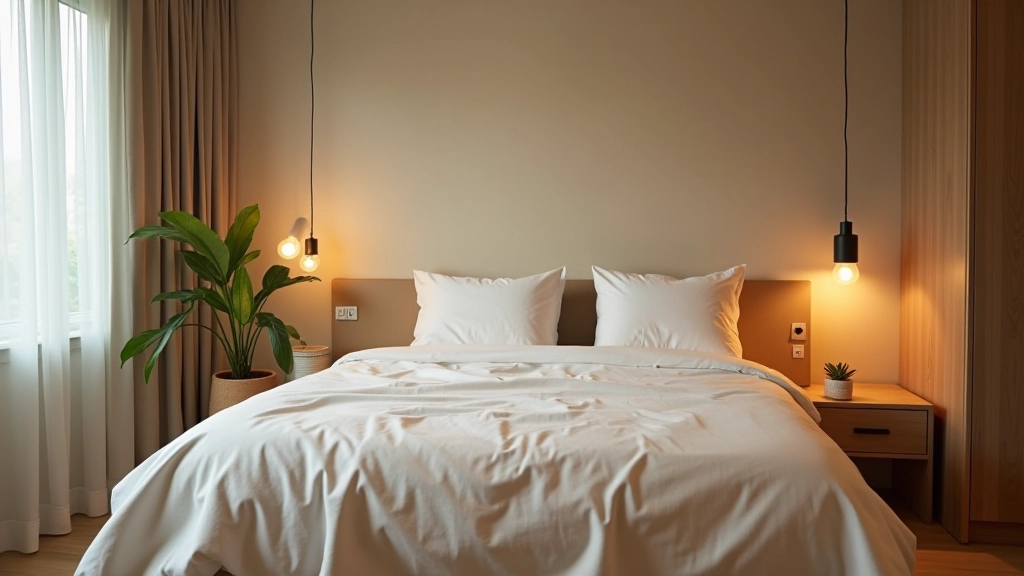
Bamboo flooring feels luxurious here. Cork wall panels in one accent area provide sound dampening and visual interest. Recycled linen or cotton bedding and curtains complete the story.
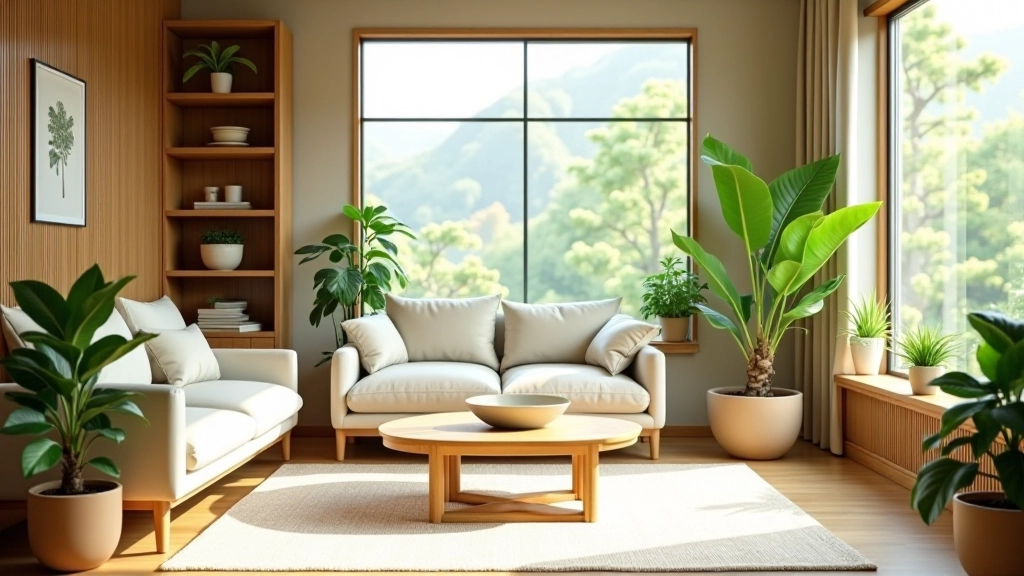
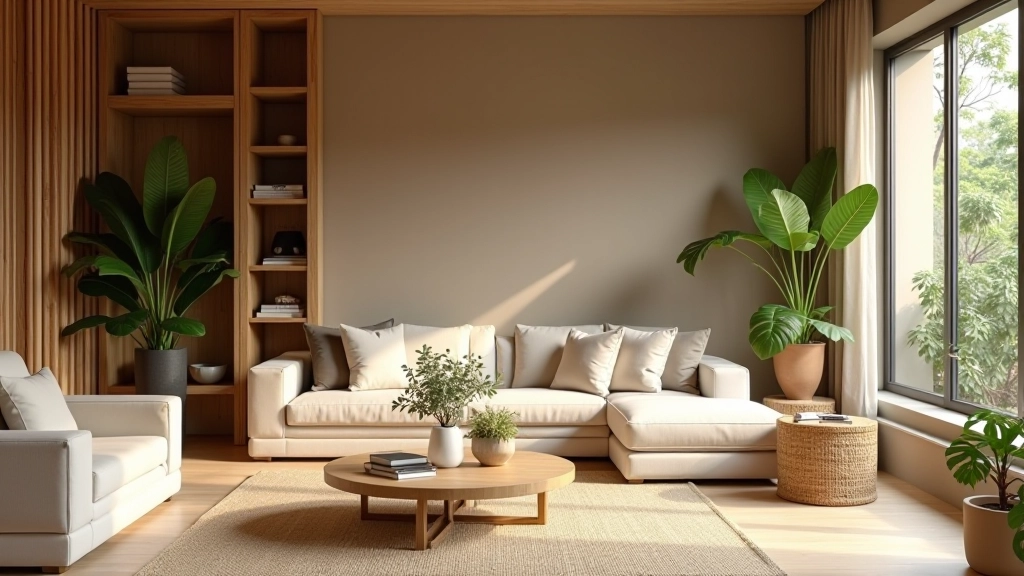
This is where you can really mix materials. Reclaimed wood shelving or accent wall. Cork or bamboo flooring as a base. Recycled fabric upholstery on sofas and chairs. The combination creates a rich, layered aesthetic that’s genuinely unique.
This article is for educational purposes and provides general guidance on sustainable materials. Material performance, durability, and suitability vary based on specific applications, climate, maintenance practices, and individual needs. Before making material selections for your space, we recommend consulting with a qualified interior designer or contractor who can assess your specific situation, local building codes, and requirements. Prices, availability, and product specifications change over time and vary by location and supplier.
Choosing sustainable materials doesn’t mean sacrificing beauty or performance. Bamboo gives you speed and warmth. Reclaimed wood offers history and durability. Cork provides comfort and uniqueness. Recycled fabrics close environmental loops without compromising quality.
Start by identifying what matters most for your space—durability, aesthetics, budget, or all three. Then match materials to those priorities. You don’t need to use all four materials in one room. Even one sustainable choice per space adds up.
The shift toward sustainable interiors isn’t just a trend. It’s becoming normal because these materials actually work better. They last longer, feel better, and create spaces you’re genuinely proud to live in. That’s worth the effort.
Learn how to implement sustainable materials within realistic budgets and discover non-toxic finishing options.
Explore Budget-Friendly Eco-Design