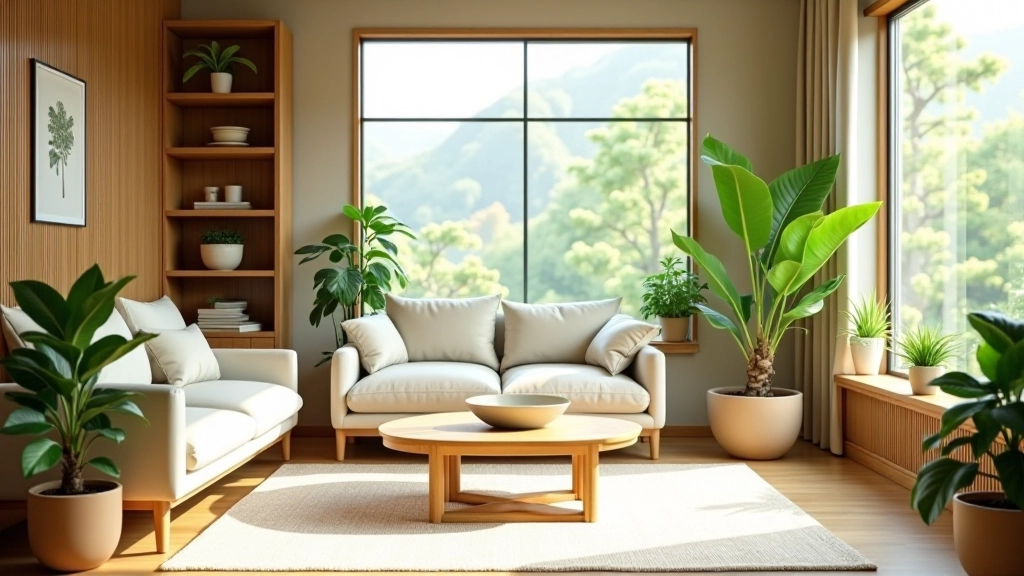

Choosing Sustainable Materials for Your Space
Understand bamboo, reclaimed wood, cork, and recycled fabrics. We’ll break down what actually works and where to source quality materials.
Save energy without sacrificing comfort. Learn about LED options, smart lighting systems, and sustainable ways to manage temperature in your home.
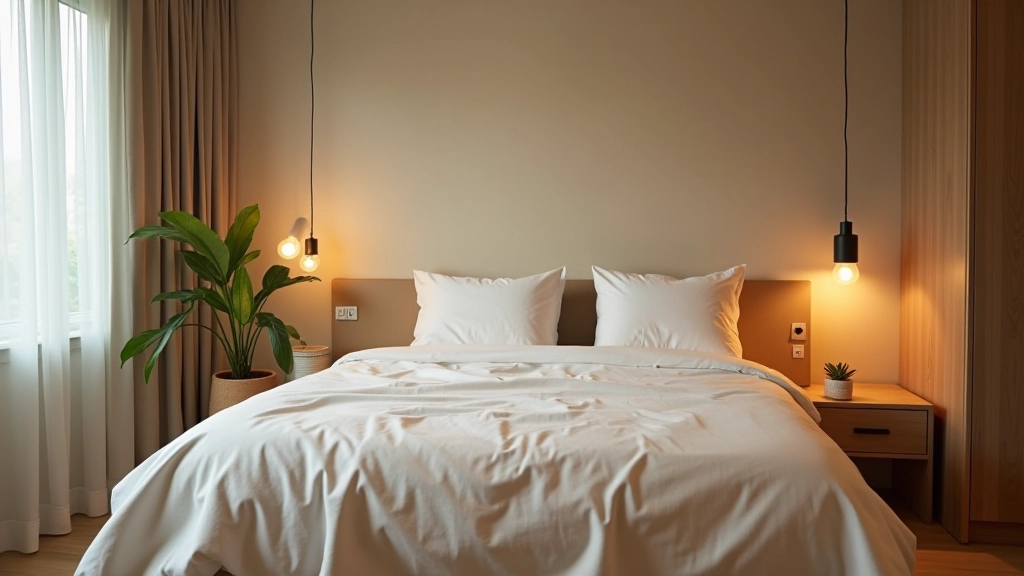

Lighting and climate control account for about 40% of household energy consumption. That’s significant. It’s not just about cutting utility bills — it’s about creating spaces that feel comfortable while using fewer resources.
The good news? You don’t have to choose between comfort and efficiency. Modern LED technology, smart thermostats, and thoughtful design strategies let you have both. In fact, many people find that energy-efficient homes feel more comfortable because the temperature stays consistent and the lighting is better.
We’ll explore the practical side of this — what actually works, what’s worth the investment, and how to implement these changes in ways that make sense for your space and budget.
LEDs use about 75% less energy than incandescent bulbs and last 25 times longer. A single LED bulb might cost more upfront, but you’ll replace it maybe twice in a decade instead of every year. The math works out quickly.
But not all LED bulbs are the same. Color temperature matters more than people realize. Warm white (2700K) feels cozy in bedrooms and living areas. Neutral white (4000K) works well in kitchens and home offices. Cool white (5000K+) is intense — useful for task lighting, less so for relaxing spaces.
Smart lighting systems add another layer. You can control brightness, color temperature, and even schedule lights to turn off automatically. Some systems learn your patterns and adjust accordingly. It sounds fancy, but the practical benefit is simple: lights that match your actual needs rather than just being on or off.
Smart thermostats are genuinely useful. Unlike the manual thermostats from 15 years ago, these learn when you’re home, adjust temperature gradually, and can be controlled from your phone. The result? Most households see about 10-15% reduction in heating and cooling costs without any sacrifice in comfort.
Don’t rely only on HVAC systems. Window treatments, insulation, and strategic ventilation do real work. Thermal curtains keep heat in during winter and out during summer. Proper air sealing around doors and windows prevents drafts. Cross-ventilation on cool evenings can reduce daytime AC use.
Zone control is worth considering if your home has very different temperature needs in different areas. You don’t want to cool the guest bedroom when nobody’s in there. Modern zoning systems let you adjust temperature by room without major renovations.
Here’s what we recommend starting with: swap out the five most-used light fixtures to LEDs first. That’s usually your entryway, kitchen, living room, and two bedrooms. You’ll notice the difference immediately and the payback period is typically 6-12 months.
Next, consider one smart thermostat. You don’t need to automate your whole house at once. One smart thermostat in the main living area will teach you patterns and start saving energy right away. Then you can add zone control or additional thermostats later if it makes sense.
The beauty of this approach is that each step is reversible. You’re not committing to a whole-house renovation. You’re testing what works in your actual living situation, then expanding from there.
This article provides educational information about energy-efficient lighting and climate control systems. While the information presented is based on industry standards and common practices, individual results will vary depending on your specific home, climate zone, and usage patterns. For personalized recommendations regarding your property’s energy efficiency, insulation levels, or HVAC systems, consult with a qualified energy auditor or licensed HVAC contractor. Always check local building codes and manufacturer guidelines before implementing any changes to electrical or heating/cooling systems.
Energy efficiency isn’t about deprivation or sacrifice. It’s about being intentional with how you use resources. Better lighting makes your home more enjoyable to live in. Consistent temperature control means better sleep and fewer comfort complaints. Lower utility bills free up money for other priorities.
The changes don’t have to happen all at once. Start small, see what works in your space, then build from there. After three months of using LED bulbs and a smart thermostat, you’ll have real data about what actually saves money in your home. That’s worth more than any general estimate.